If Meta Ads didn’t work anymore, businesses would have abandoned them years ago. Yet in 2026, Meta (Facebook, Instagram, Messenger, and WhatsApp) remains one of the most powerful advertising ecosystems ever created.
So why do so many brands still struggle?
After working with hundreds of ad accounts and observing patterns across industries, one thing becomes clear: most Meta Ads failures are not caused by the platform, they’re caused by misunderstanding how the platform thinks.
Think of Meta Ads like a highly intelligent student. It can learn very fast, but only if the teacher gives it the right direction. When advertisers give confusing signals, wrong objectives, or poor material, Meta doesn’t “fail”, it simply follows instructions badly.
In this article, we’ll walk you through the five most common Meta Ads mistakes businesses are still making in 2026, explain why they happen, and guide you on how to correct them using modern, future-proof thinking.
No shortcuts. No recycled advice. Just clear guidance.
Let’s start with the most common misunderstanding, one that refuses to die.
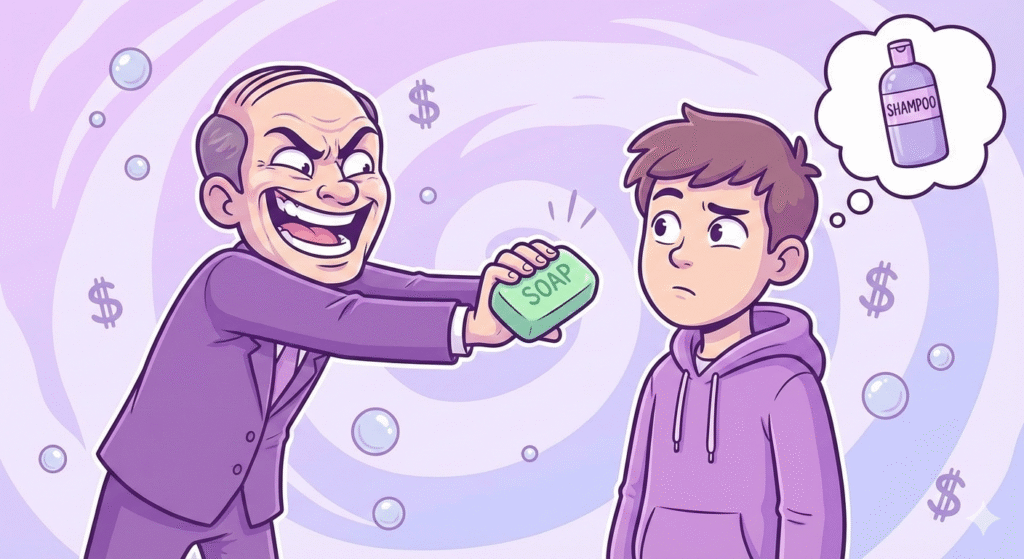
Many advertisers still believe success on Meta Ads comes from finding the “perfect audience.” They spend hours stacking interests, narrowing demographics, and creating hyper-specific targeting rules. On the surface, this feels logical. After all, if you target the right people, shouldn’t the ads work?
That logic might have worked years ago. In 2026, it’s outdated.
Meta’s algorithm now understands human behavior better than most advertisers do. It doesn’t need you to tell it who to target as much as it needs you to show it what kind of person responds to your message.
When advertisers over-control targeting, they unknowingly limit the algorithm’s ability to learn.
Here’s the part most people miss: Meta learns through creative reactions, not interest labels. It watches who stops scrolling, who clicks, who engages, who converts, and then finds more people like them.
When your ad creative is weak, unclear, or generic, the algorithm has nothing valuable to learn from. So it struggles. Advertisers then blame targeting, when the real issue is messaging.
The correct way to think about Meta Ads in 2026 is this:
Targeting helps Meta start. Creatives teach Meta how to scale.
If your ad speaks clearly, emotionally, and honestly to the right problem, Meta will find the audience for you, often better than you could manually.

Automation is everywhere in 2026. Advantage+ campaigns, automated placements, AI-driven budgets, Meta has made it incredibly easy to launch campaigns quickly.
And that’s exactly where the problem starts.
Many advertisers assume that because something is automated, it is also intelligent. In reality, automation only optimizes based on the signals you provide. If your signals are unclear, shallow, or misaligned with real business goals, automation will amplify the wrong outcomes.
For example, if you optimize for leads without defining quality, Meta will happily find you people who submit forms easily, not people who actually buy. If you optimize for purchases but your tracking is incomplete, Meta learns from bad data and makes bad decisions faster.
This is similar to a student who studies exactly what you tell them will be on the exam., even if that material isn’t truly important. The student isn’t wrong. The instructions were.
In 2026, successful advertisers don’t “turn on” automation and walk away. They guide it. They separate cold audiences from warm ones. They feed the algorithm meaningful conversion events. They ensure that tracking reflects reality, not assumptions.
Automation works best when paired with human clarity. Without it, you’re simply speeding up mistakes.

Privacy changes didn’t just affect Meta Ads, they changed advertising permanently.
By 2026, third-party data has lost much of its power. Platforms can no longer rely on external tracking to understand users deeply. That responsibility has shifted to businesses themselves.
Yet many brands still run Meta Ads as if first-party data is a bonus rather than a foundation.
First-party data includes things like customer emails, purchase history, lead quality, website behavior, and CRM insights. This data tells Meta who your real customers are, not just who clicked an ad once.
When advertisers ignore this data, they force Meta to guess. And guessing is expensive.
Without first-party data, retargeting becomes less accurate. Lookalike audiences lose relevance. Scaling becomes unpredictable. Ads start attracting people who engage but never convert.
In teaching terms, this is like evaluating students based on attendance instead of performance. You might see activity, but you won’t see progress.
Businesses that perform best in 2026 integrate their data deeply into Meta’s ecosystem. They upload customer lists, track meaningful events, and align ads with real customer behavior. This gives Meta a clear picture of who matters, and who doesn’t.
Data ownership is no longer a technical advantage. It’s a competitive necessity.
This mistake often hides behind good-looking dashboards.
An advertiser sees low cost-per-click, cheap leads, or high engagement and assumes the campaign is successful. But when revenue doesn’t grow, confusion sets in.
Here’s the hard truth: Meta will always find you cheap results if that’s what you ask for.
Cheap clicks usually come from curious users, not committed buyers. Cheap leads often come from people with low intent. High engagement doesn’t automatically mean high revenue.
In 2026, Meta Ads are not about getting the most activity, they’re about getting the right activity.
The algorithm responds directly to what you optimize for. If you optimize for surface-level metrics, you’ll get surface-level outcomes. If you optimize for deeper signals tied to revenue, Meta starts attracting higher-quality users.
Smart advertisers align Meta Ads with backend performance. They care about customer lifetime value, not just acquisition cost. They understand that paying more for the right customer is often cheaper in the long run.
As a teacher would say: Don’t study to pass the quiz, study to understand the subject.
Creative fatigue is faster in 2026 than ever before.
Users consume massive amounts of content daily. Attention spans are shorter, expectations are higher, and repetition is noticed immediately. Yet many advertisers still launch a few ads and expect them to perform indefinitely.
This mindset leads to unstable results, rising costs, and frustration.
Winning brands approach creatives differently. They treat them as evolving conversations, not static assets. They test new hooks, new formats, new angles, not because the old ones “stopped working,” but because audiences evolve.
Meta favors freshness. Not just new visuals, but new ideas. Ads that teach, explain, tell stories, and build trust consistently outperform purely promotional content.
In 2026, creative strategy isn’t about luck. It’s about systems. A steady rhythm of testing, learning, and refining.
The goal is not perfection, it’s progression.
If there’s one lesson to take away, it’s this:
Meta Ads reward clarity more than cleverness.
When your message is clear, your data is clean, your goals are aligned, and your creatives are honest, Meta becomes a powerful growth engine. When those elements are missing, even the best tools struggle.
Most advertisers don’t fail because Meta Ads are too complex. They fail because they approach them without understanding how learning systems think.
Meta Ads don’t fail businesses. Misaligned strategies do.
At The Revenue X, we don’t just run ads. We build systems that teach Meta how to find your best customers, scale responsibly, and generate real revenue, not just numbers on a dashboard.
If you’re tired of guessing, testing blindly, or burning budget without clarity, it might be time for a smarter approach.
The Revenue X exists to turn Meta Ads into predictable growth, not experiments.