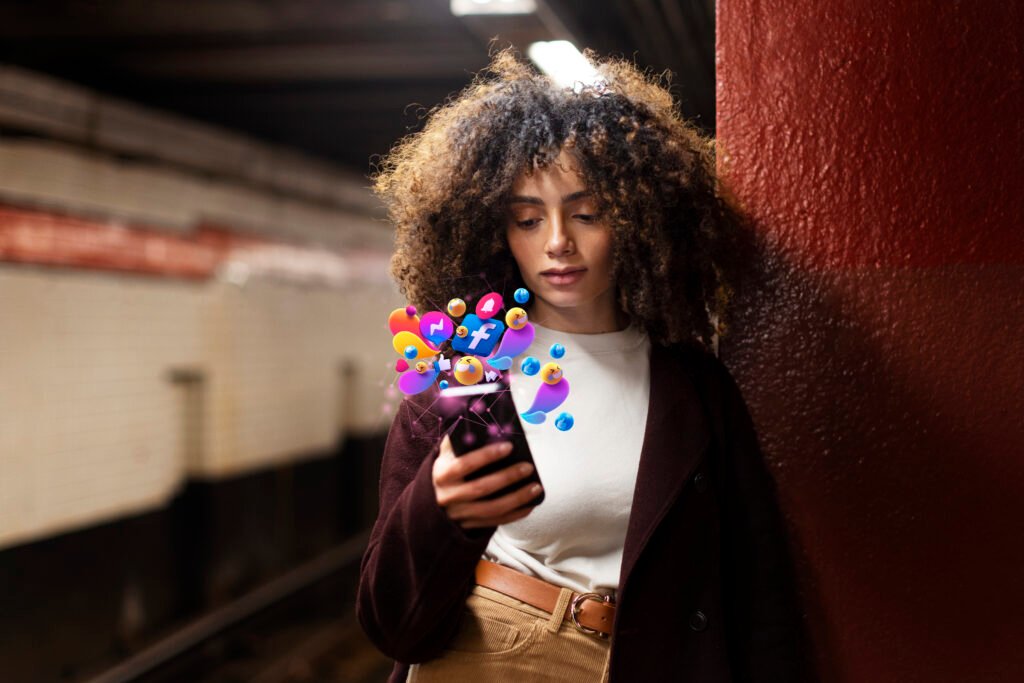
In today’s interconnected world, social media has become an essential part of daily life. From staying in touch with family and friends to following the latest trends, social media platforms have revolutionized how we communicate, interact, and consume information. But what exactly is social media, and how is it shaping the new generation?
What is Social Media?
Social media refers to online platforms where people can create, share, and exchange content, ideas, opinions, and experiences with a wide range of audiences. These platforms include Facebook, Instagram, Twitter, TikTok, LinkedIn, Snapchat, and many others. They allow users to interact through posts, messages, images, videos, and more, creating a virtual community of millions, if not billions, of people worldwide.
How Social Media is Shaping the New Generation
1. Changing Communication Patterns
One of the most significant ways social media is shaping the new generation is by transforming how we communicate. Traditional methods like phone calls or face-to-face conversations are being replaced by instant messaging, video calls, and status updates. This change has allowed people to stay connected regardless of geographical distances. It’s no longer just about keeping in touch with friends and family; social media also connects individuals with global movements, trends, and causes.
2. Boosting Personal Branding and Influencer Culture
Social media has provided a platform for personal branding, especially for younger generations. Influencers have emerged as key figures, leveraging their massive online presence to promote products, causes, and ideas. Platforms like Instagram and TikTok have made it possible for anyone with talent, charisma, or expertise to build a following and make a career out of it. The concept of the “influencer” has become a mainstream profession, showing just how much social media has impacted career choices.
3. Redefining Relationships and Social Interactions
Social media has transformed how people form and maintain relationships. It’s easier than ever to meet new people online, and virtual communities allow individuals to connect based on shared interests and hobbies. However, while social media can help maintain relationships, it also raises concerns about the depth and authenticity of these connections. The constant pursuit of likes, comments, and shares has led some to question whether these online interactions can ever truly replace in-person communication.
4. Driving Social and Political Change
Social media has given a powerful voice to the new generation, enabling them to organize, protest, and speak out on various issues. From political movements like Black Lives Matter to global climate change activism led by figures like Greta Thunberg, social media platforms are playing a key role in amplifying social and political causes. The ability to instantly share information and rally people together has turned social media into a tool for global change.
5. Influencing Consumer Behavior
Social media is a driving force in consumer behavior. Platforms like Instagram and Pinterest are where many users discover new products, services, and brands. Businesses use these platforms to advertise, while influencers promote products directly to their followers, often blurring the lines between advertising and personal recommendation. As a result, the new generation is highly influenced by social media when making purchasing decisions.
6. Creating New Learning Opportunities
While social media has its fair share of downsides, one of its most powerful aspects is its potential for education. Platforms like YouTube, LinkedIn, and even Instagram and Twitter offer users access to a wealth of knowledge and learning resources. The rise of educational content, tutorials, and live streams has made it easier than ever for people to learn new skills, pursue their passions, and stay informed about topics that matter to them. This access to learning is shaping the new generation’s ability to stay ahead in an ever-changing world.
7. Mental Health Considerations
Despite the many benefits, social media has its challenges. The constant exposure to idealized images, highlight reels, and comparisons can take a toll on mental health, especially among younger users. Studies show that excessive use of social media is linked to feelings of anxiety, depression, and low self-esteem. The pressure to fit in, appear “perfect,” or gain social validation through likes and comments has led to concerns about how social media affects the mental health of the new generation.
The Future of Social Media and the New Generation
As the new generation continues to grow and evolve with technology, the role of social media will only increase. It is likely that we will see even more immersive and interactive experiences with platforms incorporating augmented reality (AR) and virtual reality (VR). Social media may move from the simple act of sharing photos and statuses to creating fully immersive experiences that redefine how we live, work, and socialize.
The new generation is digital-native, and they are using social media not just to interact, but to innovate, express their individuality, and influence the world around them. The future of social media will undoubtedly see more engagement, collaboration, and innovation, but it will also need to address the mental health concerns and ethical issues that come with its widespread use.
Conclusion
In conclusion, social media is a powerful force shaping the new generation in ways we never imagined. From revolutionizing communication and creating new career paths to driving social movements and influencing consumer behavior, its impact is undeniable. However, as with any tool, it’s essential that we use it responsibly and be mindful of its effects on our mental health and well-being. As the digital landscape continues to evolve, so too will the new generation’s relationship with social media – shaping the future in ways that are still unfolding.
Social media is more than just a pastime; it is the window to a world of possibilities. It is up to the new generation to harness its potential while navigating its complexities. The journey is just beginning!